- Visual Studio
- Download Microsoft Visual Studio For Mac
- Visual Studio For Mac Os
- Microsoft Visual Studio For Mac
- Ios Provision Profile Visual Studio For Mac Not Showing Up
While developing a Xamarin.iOS application it is essential to test it by deploying the app to a physical device, in addition to the simulator. Device-only bugs and performance issues can transpire when running on a device, due to hardware limits such as memory or network connectivity. To test on a physical device, the device must be provisioned, and Apple must be informed that the device will be used for testing.
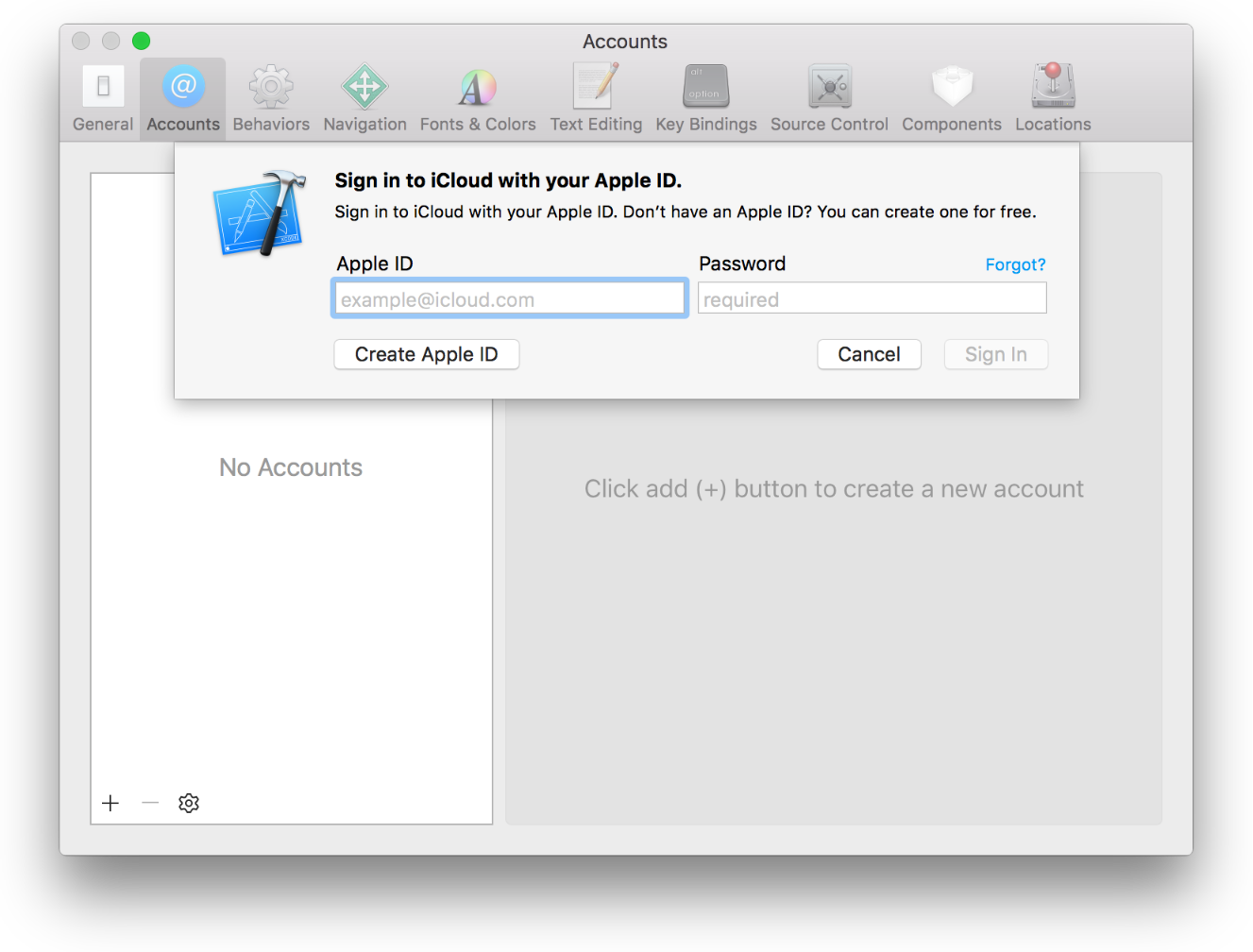
The highlighted sections in the image below show the steps required to get set up for iOS provisioning:
After this, the next step is to distribute the application. For more information on deployment, visit the App Distribution guides.
Debugging iOS app on iPad. Go to portal, create a provisioning profile and register device, add device to profile 4. Download profile and install on mac. Go to visual studio,ios properties and select the iOS bundle signing, you should see your identity and profile 6. Now you should be able to release/debug app on ipad. To begin the automatic signing process, make sure you’ve signed in to Visual Studio with an Apple ID via the Apple Account options. IOS provisioning requires that you be a member of the Apple Developer Program. If you haven’t signed up yet, now is a good time to do it.

Before deploying the application to a device, you need to have an active subscription to Apple's Developer Program, or use Free Provisioning. Apple offers two program options:
- To build and run iOS apps using Visual Studio, you need to set up and configure the remote agent, vcremote, on your Mac. The remote agent handles build requests from Visual Studio and runs the app on an iOS device connected to the Mac, or in the iOS Simulator on the Mac.
- Even Easier iOS App Provisioning in Visual Studio for Mac By Amy Burns December 7, 2017 iOS, Xamarin Platform iOS provisioning is a notoriously hard concept to grasp; even the best developers can be stumped by a signing identity.
- Apple Developer Program – Regardless of whether you are an individual or represent an organization, the Apple Developer Program allows you to develop, test, and distribute apps.
- Apple Developer Enterprise Program – The Enterprise program is most suited to organizations that want to develop and distribute apps in-house only. Members of the Enterprise program do not have access to iTunes Connect, and apps created cannot be published to the App Store.
To register for either of these programs, visit the Apple Developer Portal to register. Note that to register as an Apple developer, it is necessary to have an Apple ID. This guide has been created with the assumption that you are a member of an Apple Developer Program.
Alternatively, Apple introduced Free Provisioning in Xcode 7 which allows a single application to run on a single device without being a member of Apple's Developer Program. There are a number of limitations when provisioning in this way, as detailed here.
Any application that runs on a device needs to include a set of metadata (or thumbprint), which contains information about the application and the developer. Apple uses this thumbprint to make sure that the application is not tampered with when deploying to, or running on, a user's device. This is achieved by requiring app developers to register their Apple ID as a developer, and to setup an App ID, request a Certificate, and register the device on which the application will be deployed.
When deploying an application to a device, a Provisioning Profile is also installed on the iOS device. The Provisioning Profile exists to verify the information that the app was signed with at build time and is cryptographically signed by Apple. Together, the Provisioning Profile and 'thumbprint' checks determine if an application can be deployed to a device by checking:
- Who (Certificates – has the app been signed with a private key, which has a corresponding public key in the provisioning profile? The certificate also associates the developer with a development team)
- What (Individual App ID – Does the Bundle Identifier set in the Info.plist match the App ID in the provisioning profile?)
- Where (Devices – Is the device contained in the provisioning profile?)
Visual Studio
These steps ensure that everything that is created or used during the development process, including the applications and devices, can be traced back to an Apple Developer account.
Provisioning your device
There are two ways to provision your iOS device:
Download Microsoft Visual Studio For Mac
Automatically (Recommended) – Select the Automatic Provisioning scheme in your project to have Visual Studio automatically create and manage your Signing Identities, App IDs, and Provisioning Profiles. For information on how to automatically manage provisioning, see the Automatic Provisioning guide. This is the recommended way of provisioning an iOS device.
Manually – Signing Identities, App IDs, and Provisioning Profiles can be created and managed via the Apple Developer Portal, as described in manual provisioning guide. These artifacts can then be managed as described in the Apple Account Management guide.
Visual Studio For Mac Os
Provisioning for Application Services
Apple provides a selection of special Application Services, also called capabilities, that can be activated for a Xamarin.iOS application. These Application Services must be configured on both the iOS Provisioning Portal when the App ID is created and in the Entitlements.plist file that is part of the Xamarin.iOS application's project. For information on adding Application Services to your app, refer to the Introduction to Capabilities guide and the Working with Entitlements guide.
Microsoft Visual Studio For Mac
- Create an App ID with the required app services.
- Create a new provisioning profile that contains this App ID.
- Set Entitlements in the Xamarin.iOS Project